Babysitter or drop-off play space: which is better for a few hours?
For evenings and bedtime, a babysitter at home is usually best. For two to four daytime hours, a supervised drop-off play space often works better: it is easy to book, your child does real activities with other kids, and you do not need to find someone new every time.
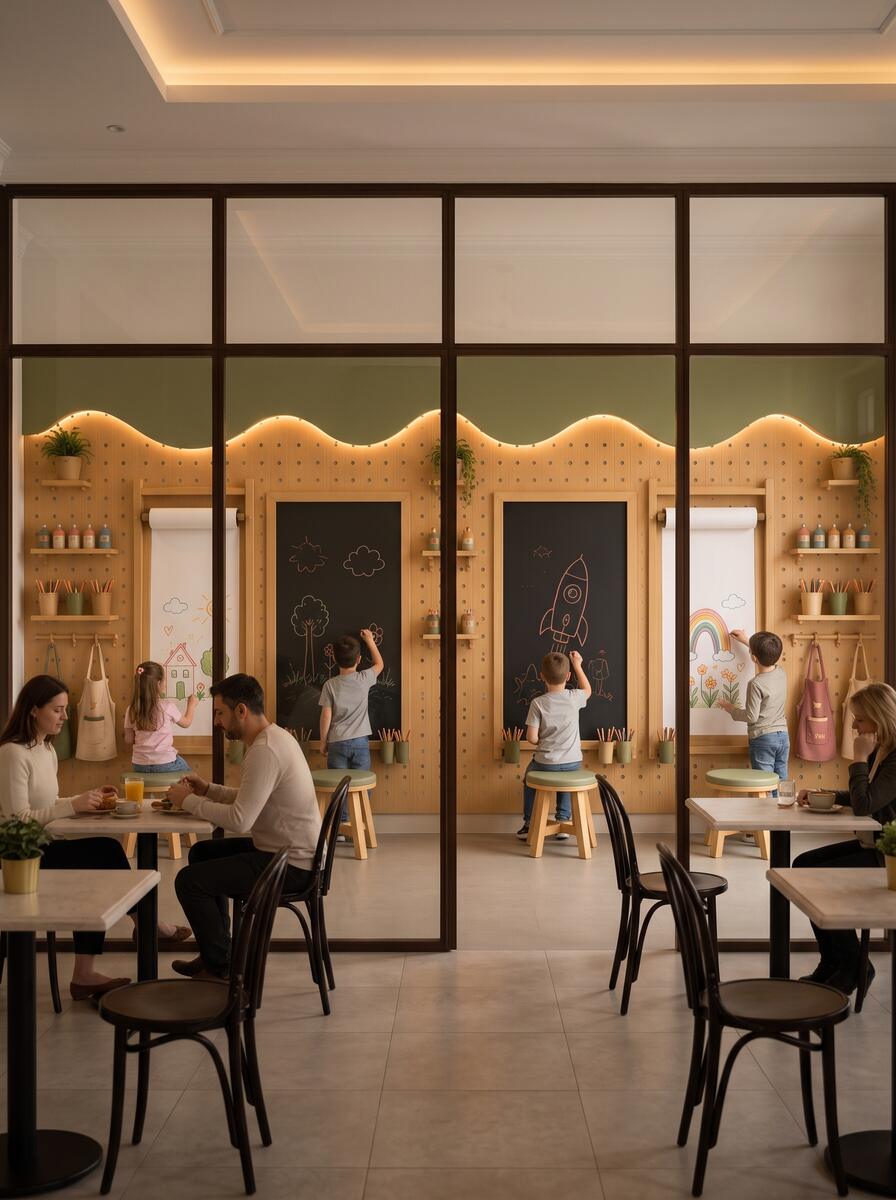
When a babysitter makes more sense
- Late evenings, when your child needs to sleep at home
- A sick child who should stay home
- Very young babies who need one-to-one care
When a drop-off play space makes more sense
- Daytime appointments, errands and work blocks
- Short notice, when your usual sitter is not free
- Children who get bored at home and love being with other kids
- When you want your child to learn something, not just be watched
What to compare
Look at supervision, activities, flexibility and how your child feels afterwards. A child who comes home proud of a clay pot or a painting has had a very different afternoon from one who watched cartoons.
At Luciole in Jounieh Souks, many families use both: a sitter for date nights at home, and Luciole for daytime hours and weekends.
More questions parents ask
Is a play space good for shy children?
Often yes. Small groups and a hands-on activity give shy children something to focus on, which makes it easier to join in. Stay for the first few minutes on the first visit.
Can I combine both?
Many families do: a sitter for evenings and bedtime at home, and a supervised play space for daytime errands, work and weekends.
What should I ask a play space before the first visit?
Ask who supervises, how pick-up works, what activities are planned, and how they handle allergies. A good team answers clearly.